Introduction
In the vibrant world of gaming, especially within the Malaysian community, the term FPS (frames per second) holds significant weight. For many gamers, whether you're using a Samsung Galaxy, a Xiaomi device, or a OnePlus model, understanding the difference between low and high FPS can make or break your gaming experience. As mobile gaming continues to evolve, knowing the nuances of FPS can enhance not just your gameplay but also your overall satisfaction. Let’s explore this concept in detail.
Understanding FPS
FPS, or frames per second, is a crucial metric in gaming that measures how many unique consecutive images a device can produce in one second. The higher the FPS, the smoother the gameplay, which is essential for both competitive and casual gaming experiences. For mobile gamers in Malaysia, an optimal FPS of around 60 is often considered ideal, as it allows for fluid motion and responsiveness, crucial in fast-paced games like Mobile Legends: Bang Bang or Call of Duty: Mobile.
The importance of FPS cannot be overstated. A higher FPS translates to a more immersive experience, while low FPS can lead to choppy graphics and lag, which can be frustrating during critical moments in a game. Understanding your device's capabilities and how to maximize FPS can significantly enhance your gaming performance.
Comparison of Low and High FPS
When comparing low vs high FPS, the differences become quite apparent. Low FPS, typically anything below 30, can result in lagging graphics and delayed responses, making it challenging to enjoy games fully. On the other hand, high FPS, often around 60 or even 120 on more advanced devices, provides a seamless gaming experience.
- Low FPS (below 30): Characterized by stuttering visuals, input lag, and a generally frustrating experience. Games like PUBG Mobile can become nearly unplayable at these rates.
- High FPS (60 and above): Offers smooth graphics and quick response times, essential for competitive gaming where every millisecond counts.
For example, a gamer using a Samsung Galaxy S23 with a high refresh rate display can easily achieve higher FPS, making games more enjoyable compared to a lower-end device struggling to maintain 30 FPS. This difference becomes even more pronounced in action-heavy titles where quick reflexes are necessary.
Effects on Gaming Experience
The impact of FPS on the gaming experience is multifaceted. A low FPS can lead to several negative outcomes:
- Lag and Stutter: When FPS drops, players may experience lag, which can be detrimental in competitive scenarios.
- Poor Graphics Quality: Low FPS often results in pixelated images and a less immersive environment, detracting from the game’s aesthetic.
- User Frustration: Gamers may feel frustrated when their actions do not reflect on-screen due to low FPS, leading to a poor gaming experience.
Conversely, higher FPS provides a more enjoyable experience, enhancing factors like:
- Smoother Gameplay: Higher frame rates lead to fluid motion, making it easier to track targets and respond quickly.
- Enhanced Visual Fidelity: Games look better and more polished, allowing players to appreciate the artistic aspects of their favorite titles.
- Increased Satisfaction: Gamers are generally happier with their experience when playing at higher FPS, as it feels more responsive and engaging.
In a nutshell, while low FPS can hinder gameplay, high FPS not only enhances performance but also elevates overall user satisfaction, making it a critical factor in mobile gaming.
Device Optimization for Better FPS
For Malaysian gamers looking to enhance their FPS on Android devices, there are several optimization tips to consider. Here's how you can improve FPS and overall gaming performance:
- Update Your Device: Always ensure your Android device is running the latest software updates. manufacturers like Xiaomi, Samsung, and OnePlus regularly release updates that can improve performance.
- Close Background Apps: Before gaming, close unnecessary apps running in the background. This frees up RAM and CPU resources, allowing your game to run smoother.
- Lower Graphics Settings: If you’re experiencing low FPS, consider lowering the graphics settings within the game. While it may not look as stunning, it can significantly improve performance.
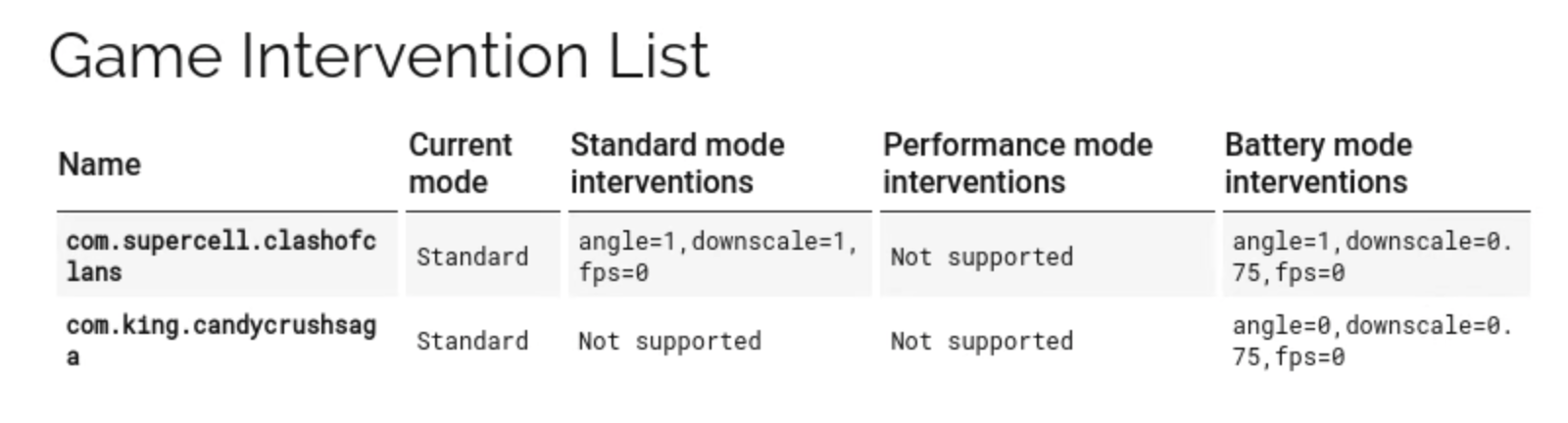
- Use Game Mode: Many Android devices come with a 'Game Mode' feature that optimizes your phone’s performance for gaming. Enable this feature to prioritize resources for your games.
- Clear Cache: Regularly clearing the cache of your games can help free up storage space and improve performance.
By applying these tips, you can enhance your gaming experience significantly, allowing you to enjoy your favorite titles without the frustrations of low FPS.
Conclusion
As we’ve explored, the distinction between low and high FPS is more than just a technicality; it directly impacts your gaming experience. For Malaysian gamers using Android devices like Samsung, Xiaomi, or OnePlus, understanding how to optimize your device for higher FPS can lead to a more enjoyable and immersive experience. Remember, while high FPS is ideal for most gaming scenarios, it's crucial to balance performance with your device's capabilities. Equip yourself with this knowledge, and elevate your gaming sessions to new heights!