Introduction
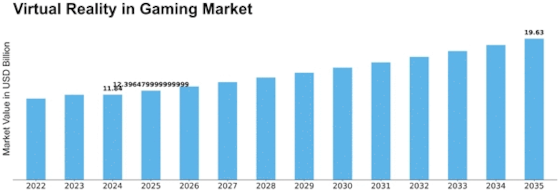
Virtual reality (VR) gaming has evolved significantly over the years, marking its territory as a key player in the gaming industry by 2026. As Malaysian gamers embrace this cutting-edge technology, it is crucial to understand the trends shaping the VR landscape. With the VR gaming market projected to reach a staggering $12 billion this year, the significance of these advancements can’t be overstated. This article will explore the latest VR gaming trends, focusing on how they resonate within the Malaysian gaming community.
As we delve into the latest developments, we will highlight how key players like Oculus, HTC Vive, and Sony PlayStation VR are influencing trends and user engagement while also taking a closer look at local influences from tech hubs like Silicon Valley and Tokyo.
Key Trends
The VR gaming landscape in 2026 is marked by several key trends that are transforming the way gamers interact with virtual environments. From technological advancements to increasing user engagement, these trends are paving the way for a more immersive experience.
Immersive Experiences
Immersive experiences are at the forefront of VR gaming trends in 2026. As advancements in VR technology continue to evolve, gamers are now able to step into worlds that feel incredibly lifelike. New hardware, such as the latest iterations of the Oculus and HTC Vive, offer improved graphics, faster processing speeds, and enhanced sensory feedback, making the gameplay experience more realistic than ever.
For instance, Malaysian developers are leveraging these advancements to create games that utilize local cultural narratives, thus providing a unique twist to VR experiences. This not only fosters a deeper connection for local gamers but also sets the stage for global recognition of Malaysian gaming talent.

With user engagement in VR gaming increasing by 40% in the last year, developers are focusing on creating narratives that resonate with players. The integration of dynamic environments and interactive storytelling is essential in maintaining this engagement. As VR technology advances, so does the potential for gamers to experience narratives that adapt based on their choices.
Social Gaming
The rise of social interactions within VR gaming is another significant trend in 2026. Multiplayer VR games are becoming increasingly popular, allowing players to connect with friends or meet new players from around the world in virtual spaces. Platforms like Horizon Worlds and VRChat are spearheading this social revolution, where gamers can engage in various activities, from casual conversations to competitive gameplay.
In Malaysia, local gaming communities are beginning to embrace these social VR platforms, organizing events and tournaments that bring gamers together in a virtual setting. This not only enhances the gaming experience but also fosters a sense of belonging among players. Influencers and streamers are capitalizing on this trend by hosting live events that draw significant attention, showcasing the potential of VR as a social gaming platform.
Market Analysis
The VR gaming market in 2026 has shown remarkable growth, particularly in Southeast Asia. Malaysia, with its diverse population and growing tech-savvy youth, stands as a prime market for VR gaming. The demand for immersive gaming experiences is leading to increased investments in local gaming startups, which are creating VR content tailored for Malaysian audiences.
According to recent market reports, the growth in VR gaming is not just limited to hardware sales; there's a significant rise in software development as well. Local developers are creating games that incorporate Malaysian culture, folklore, and landscapes, which resonate deeply with players. This localization strategy has proven successful in increasing player engagement and fostering a loyal gaming community.
Global giants like Meta (formerly Facebook) and Sony are also eyeing the Southeast Asian market, recognizing its potential. Their investments in local partnerships and development initiatives signal a bright future for VR gaming in the region.
Future Predictions
The future of VR gaming technology looks promising as developers continue to push the boundaries of what is possible. By 2026 and beyond, we can expect several transformative trends:
- Enhanced Hardware: Upcoming devices will likely feature lighter and more comfortable designs, improved battery life, and higher resolution displays, enhancing the overall gaming experience.
- AI Integration: The integration of artificial intelligence in VR gaming will lead to smarter NPCs (non-playable characters) and more adaptive gameplay, creating a more personalized experience.
- Cross-Platform Play: As gaming communities grow, the ability to play across different devices will become more prevalent, allowing seamless interaction between VR and traditional gaming platforms.
- Health and Fitness Applications: The role of VR in health and fitness is gaining traction, with games designed to promote physical activity and mental well-being becoming mainstream.
John Carmack, a renowned figure in the gaming industry, has often spoken about the potential of VR to transform the way we interact with digital content. As these predictions come to fruition, Malaysian gamers can look forward to a more interconnected and immersive gaming future.
Conclusion
As we reflect on the current landscape of VR gaming in 2026, it’s clear that the trends emerging this year are shaping the future of the industry. From more immersive experiences to the rise of social gaming, the Malaysian gaming community is well-positioned to take advantage of these advancements. Keeping track of VR gaming trends is crucial for both gamers and developers to stay competitive and relevant in this fast-evolving market. As technology continues to advance, one thing is certain: the future of VR gaming is bright, offering endless possibilities for engagement, creativity, and community building.